Have you ever wondered how someone got started in their line of business? Here is a short story of how my photography journey began.
I remember entering my senior year of high school, and my mother making an appointment for me to have my senior pictures taken. At the time, I remember wondering what the purpose was. Why did I need to have senior pictures taken? I know what I look like. I didn’t really understand why they mattered. But, I complied.
Then, a few years later, I was making plans to get married. My wife-to-be told me that we needed to hire a photographer. Once again, my response was simple: “For what?” Having a photographer to take pictures at our wedding wasn’t something I had given any thought. I again complied.
As I looked through those wedding images, everything began to fall into place. I finally understood something that I earlier did not, when my mother scheduled my senior pictures.
Life happens quickly. We get so wrapped up in living it that we don’t always realize how quickly the moments are passing. People were there that I did not remember seeing. Photographs give us a way to return to those moments long after they are gone. They preserve people, places, expressions and details that our memories alone can’t always hold onto.
Looking at my wedding photographs also sparked another thought.
“I could do this better.”
And with that thought, my journey into photography began.
Learning Photography
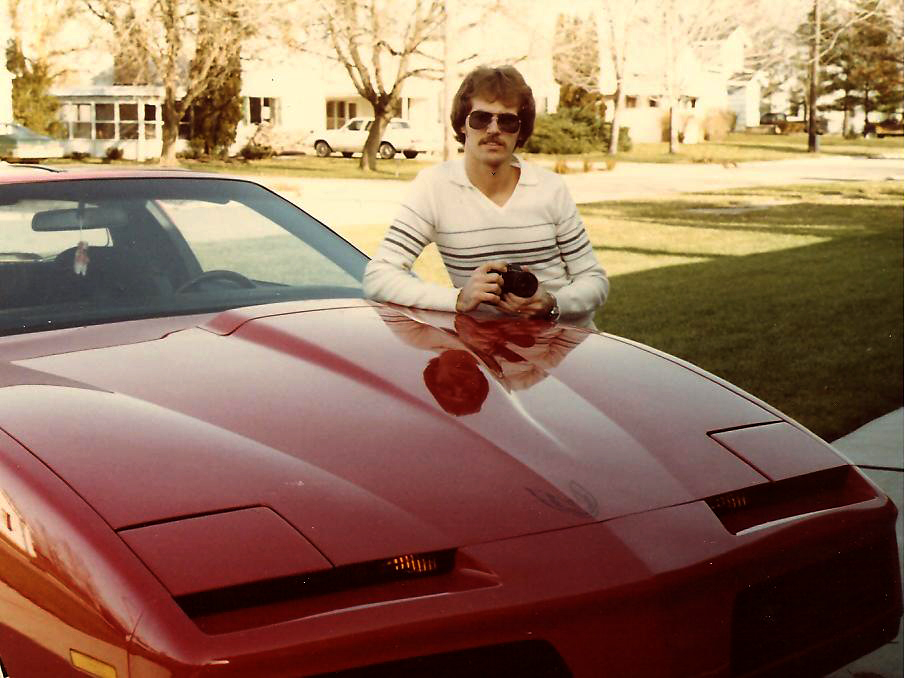
I purchased a nice camera and started taking pictures of cars and motorcycles, and eventually family members. Almost everywhere I went was with my camera close by. I started reading everything I could about photography and gradually began learning more about portrait photography.
Reading wasn’t enough. I wanted to learn more, so I enrolled in photography classes locally. As my knowledge grew, so did my collection of equipment. I purchased lighting equipment and backdrops and started experimenting with creating portraits rather than simply taking pictures.
Eventually, family members began asking me to photograph their weddings.
I remember thinking, “Here is my chance. Let’s see if I can really do it better.”
I was quite pleased with the results. One wedding led to another, and before long I was photographing more weddings along with some high school senior portraits. I was having fun.
But something was bothering me.
I wasn’t satisfied with my own performance.
The photographs were good, but I knew they could be even better. Something was lacking. I wanted to understand lighting better. I wanted better posing, better composition and better control over the finished photograph. Simply knowing how to operate a camera wasn’t enough for me. The details mattered.
I needed more education.
There was another practical consideration, too. Photography was becoming an expensive hobby. The price of cameras, lenses, lighting equipment, backdrops and everything else added up quickly. If I wanted to continue improving and purchasing professional equipment, photography was going to have to start paying for itself.
A Turning Point in 1990
I had been reading about the Winona School of Professional Photography in Chicago. It sounded incredible, but attending was going to be expensive.
Eventually, I made the decision. “I will do this.”
I bit the bullet and signed up for a course on senior photography.
And I went. The year was 1990.
Walking through the front doors of Winona became one of those moments that stays with you. The hallways were lined with absolutely stunning photographs. I looked at the quality of the work surrounding me and was almost breathless.
This was the quality of photography that I had a desire to create.
That experience changed my expectations of myself. The drive, passion and desire to become better were burning inside me. I didn’t just want to take good photographs. I wanted to understand what made an exceptional photograph and learn how to create one consistently.
That first experience at Winona wasn’t the end of my education. It was really the beginning. Several more courses followed.
I have learned from some of the country’s leading professional photographers, including Hanson Fong, Monte Zucker, Clay Blackmore, David Ziser, Frank Cricchio, Joe Craig, Ralph Romaguera, Larry Peters, Donald Blair, Rich Voorhees and Eddie Tapp.
The education was incredibly fulfilling.
There was always something more to learn—lighting, posing, composition, expression, technique and, perhaps most importantly, how all of those elements come together to create a photograph that means something to the person receiving it.
I was learning from some of the best, and every experience made me want to become better.
Turning Photography Into a Business
Eventually, I decided to make a serious attempt at running Michael Photography. I took care of the legal requirements, started advertising and put out flyers.
The advertising worked. Business started coming in.
It also didn’t take very long for me to discover the areas where I was weak.
Rather than ignoring those weaknesses, I went looking for ways to improve them. I attended more photography classes and professional conventions, always trying to learn something new and become a better photographer.
This was still the film era, and photography was very different from what it is today. I had my own darkroom and learned to process film and make photographic prints myself. Understanding photography meant understanding much more than the camera. You needed to understand exposure, posing, lighting, film, processing and printing.
One lesson became very clear to me:
The learning never ends.
The Day I Saw My First Digital Camera
One of my favorite memories from those years happened while I was attending another class at Winona.
The president of the school came into our classroom and told us there was a group of technicians from Japan in another room. They were from Sony, and they were demonstrating a brand-new piece of technology called a digital camera.
He told us we needed to see it!
Digital photography was completely new, so naturally we went to see what all the excitement was about. We looked at the camera and saw the prints it produced.
My reaction?
I laughed.
“That will never work!”
I was wrong.
As digital photography began improving and gaining momentum, I realized it wasn’t going away. When the time came, I purchased a digital camera. I had one of Canon’s first digital models in my hands and began doing my own comparisons between prints from traditional film and prints from digital.
Long story short, digital won the battle.
I wasn’t interested in changing simply because something was new. I wanted to see the results for myself.
The quality from digital cameras continues to improve. Now, the drone has become another amazing tool that has been added.
Photography has changed dramatically, and I changed with it.
That Was Then. This Is Now.
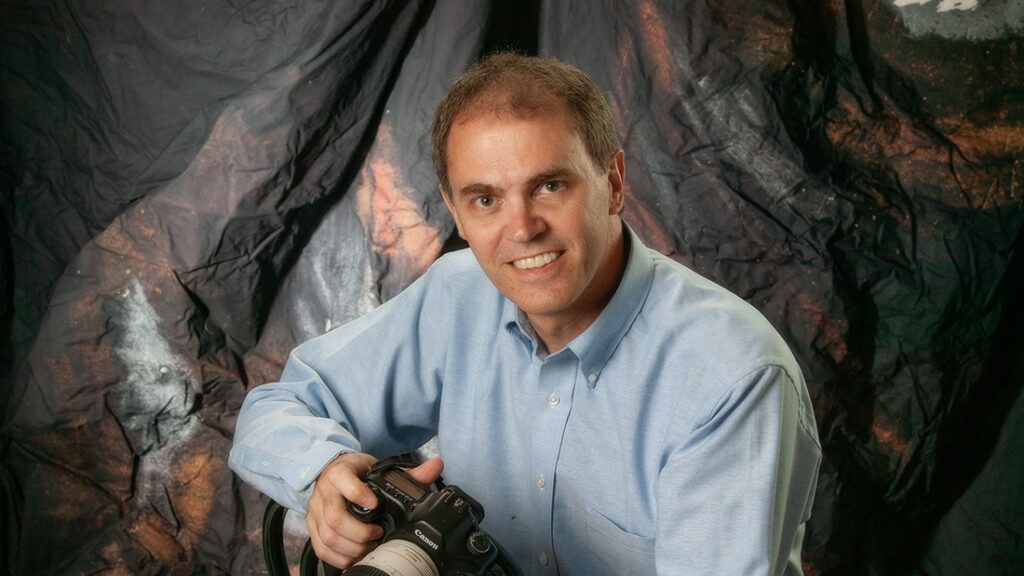
Michael Photography has been very successful, but when I think about what this business has given me, I don’t think first about cameras, equipment or technology.
I think about people.
I’ve had the opportunity to meet some incredible people through photography. Many of the people who originally came through my door as clients eventually became people I consider friends.
Today, something happens that makes all those years especially meaningful.
I photograph high school seniors whose parents I photographed when they were seniors.
It’s difficult to describe what that means to me. Photography started with my not understanding why my own senior pictures mattered. Now, decades later, I’m creating senior photographs for a second generation of families who trusted me with those memories the first time around.
In many ways, it brings my story full circle.
Technology has changed tremendously since I first picked up a camera. I’ve gone from film and my own darkroom to digital cameras and all of the capabilities available to photographers today. But the reason for doing the job hasn’t really changed.
My goal is to do the best job I possibly can for every client who walks through our door. I love what I do.
And, I believe professional photography should be provided at a fair and reasonable price.
Do excellent work. Treat people well. Charge them fairly.
That has always been my philosophy.
Looking back, I understand something today that I didn’t understand when my mother scheduled that first senior portrait appointment years ago.
I understand what the photographs are for.
Life happens quickly. Photographs help us remember it!
Print your legacy!